ISKCON Raichur

Blogs

Invaders

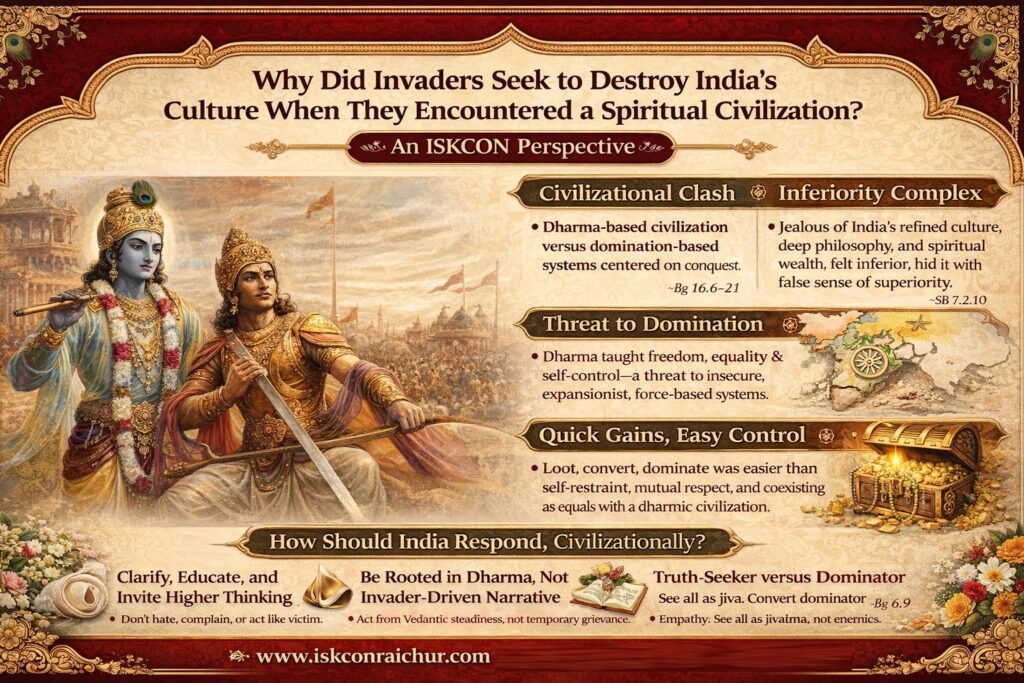
One of the most painful and persistent questions in Indian civilizational discourse is this: when invaders encountered India—a prosperous, spiritually sophisticated, pluralistic, and cultured civilization—why did many of them choose destruction instead of learning, friendship, and self‑elevation? Was there no shame in desecrating temples, suppressing knowledge systems, and brutalizing a society rooted in dharma?This is …
Invaders Read More »

Rādhārāṇī – The Original Source of Lakṣmī Devī

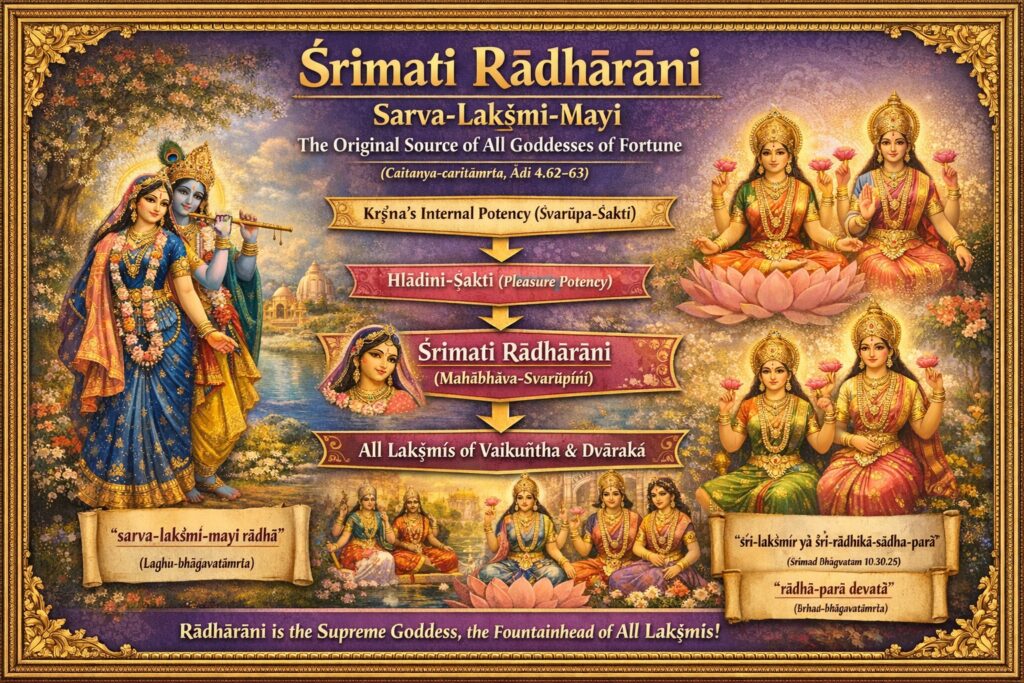
In Vaiṣṇava theology, especially within the Gauḍīya Vaiṣṇava sampradāya, a profound and often misunderstood truth is revealed: Śrīmatī Rādhārāṇī is the original source of Lakṣmī-devī, the goddess of fortune. While Lakṣmī-devī is universally worshiped as the eternal consort of Lord Nārāyaṇa and the presiding deity of wealth, fortune, and opulence, the scriptures reveal a deeper …

Rādhārāṇī – The Original Source of Lakṣmī Devī Read More »

Secularism: A Vedic Autopsy

Meaning, Origin, Present Reality, and the Only Viable Solution Introduction: Secularism Is Not Neutral — It Is Ideological Secularism is often projected as neutral, inclusive, and progressive.From a Vedic standpoint, this claim is false.Secularism is not neutrality. Secularism is a worldview — and today, it functions as covert atheism.For Sanātana-dharma, which recognizes God as the …

Secularism: A Vedic Autopsy Read More »

Basavanna

The Social Reformer, His Split from Tradition, and the Vedic Way Forward Introduction Basavanna (also Basava or Basaveshwara) is remembered in Indian history as a remarkable 12th-century social reformer and devotional poet in what is now Karnataka. He challenged the rigid caste system, the domination of Brahminical ritual authority, and ritual formalism in favor of …

Basavanna Read More »

Christmas

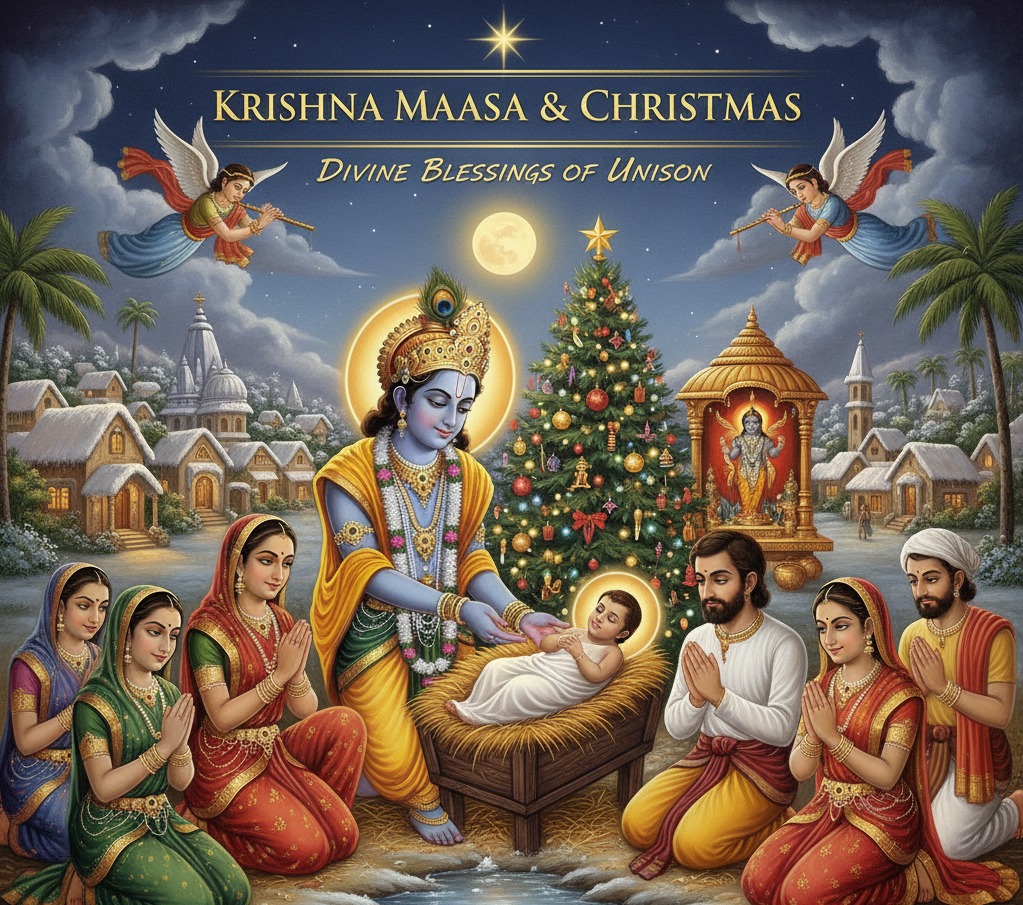
Origins, History, Jesus’ Birth, Distortions — A Bhakti Perspective Christmas is today both a sacred Christian commemoration of Jesus’ nativity and a global cultural festival. Its historical origin is complex — a layering of early Christian choices, older mid-winter rites, and modern commercial developments. This article explains the facts and offers a devotional response. 1. …

Christmas Read More »

UGADI

The Vaishnava Understanding of a New Beginning Under the Shelter of KrishnaUgadi is one of India’s most ancient and culturally rich New Year celebrations. Rooted in Vedic cosmology, regional calendars, and devotional traditions, it marks a powerful moment to remember that all auspiciousness flows from the Supreme Lord, Śrī Krishna. For devotees, Ugadi becomes meaningful …

UGADI Read More »

Ratha Saptamī

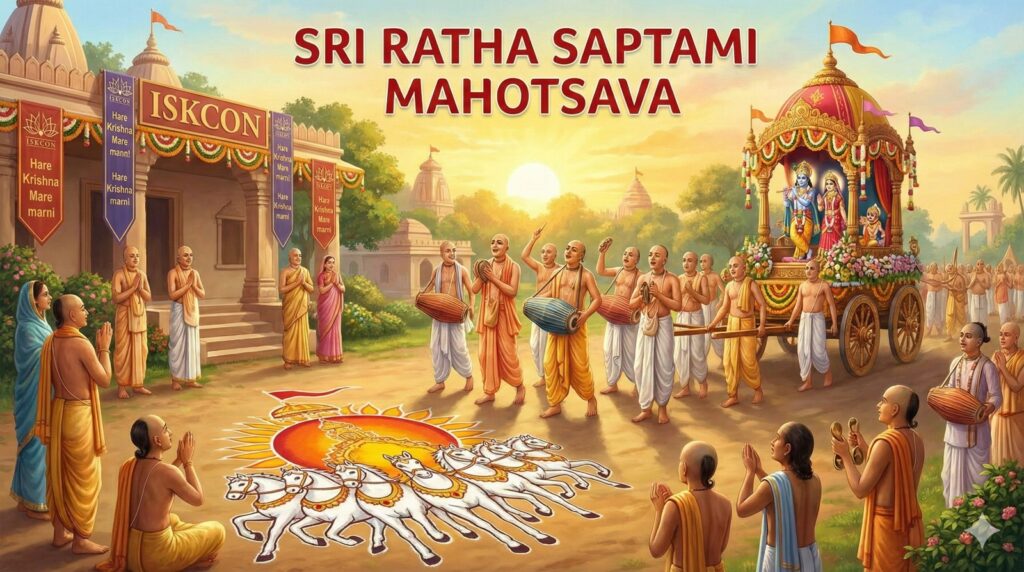
The Auspicious Appearance of the Sun’s Chariot Ratha Saptamī, also known as *Sūrya Jayanṭī, is one of the most spiritually uplifting festivals celebrated in the Vedic tradition. Observed on the **seventh day (Saptamī) of the bright fortnight (Śukla Pakṣa) in the month of Māgha, it marks the symbolic beginning of the Sun’s **northern journey toward …

Ratha Saptamī Read More »

Makara Saṅkranti

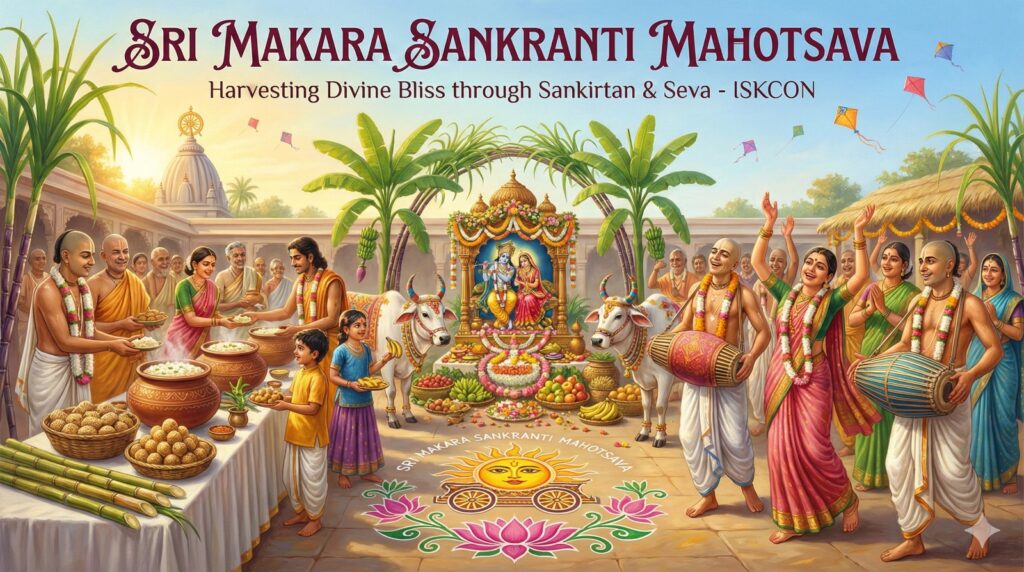
** Uttarāyaṇa — Meaning, Date, Significance & Devotional Practice** What Is Makara Saṅkranti? Makara Saṅkranti marks the Sun’s transition (saṅkrānti) into the zodiac sign of Makara (Capricorn). It celebrates the beginning of Uttarāyaṇa, the Sun’s northward journey. It signals longer days, a shift toward increasing light, and is considered one of the most auspicious times …

Makara Saṅkranti Read More »

Vedic Astrology (Jyotiṣa)

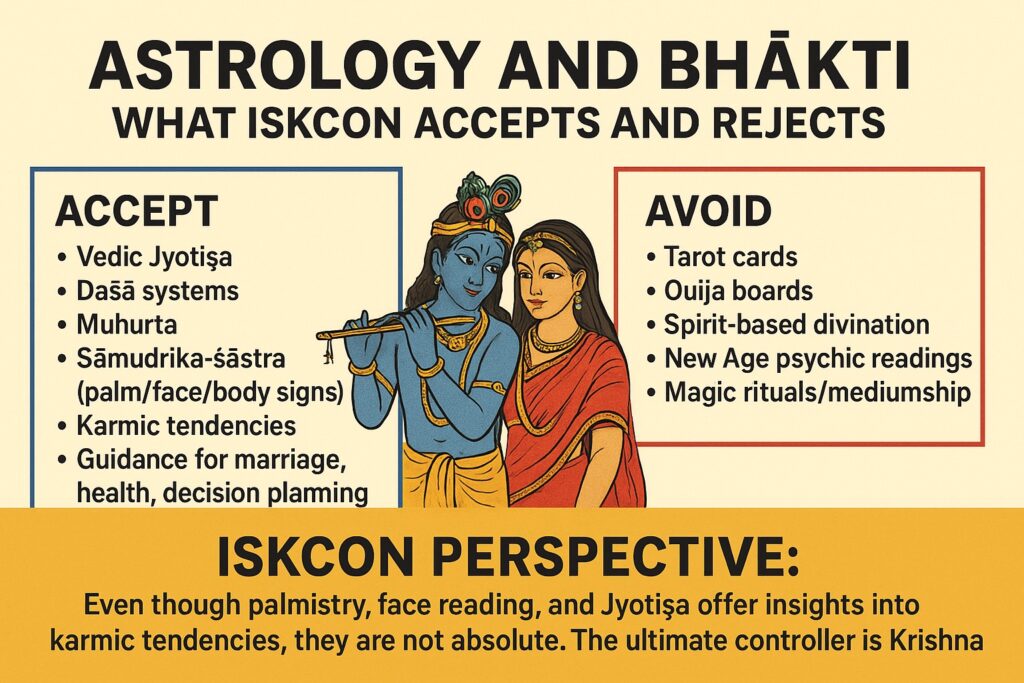
A Vaiṣṇava Guide to Karma, Time, and the Path Back to Krishna 1. Introduction Astrology—known in Sanskrit as *Jyotiṣa-śāstra—is one of the most ancient sciences of humanity. Rooted in the Vedas, it is traditionally respected as the *“eye of the Vedas” (Vedacakṣuḥ) because it illuminates how time (kāla) influences human life, karma, and destiny. In …

Vedic Astrology (Jyotiṣa) Read More »

New Year

A Vaiṣṇava Guide to Time, Transformation, and the Ultimate Goal INTRODUCTION: The New Year as a Universal Human Reset Every culture across the world celebrates the New Year with hope, renewal, and enthusiasm. Whether it is *January 1st, **Ugadi, **Gudi Padwa, **Vaisakhi, or *Chinese New Year, the essence is the same: “A fresh beginning and …

New Year Read More »

error: Content is protected !!