ISKCON Raichur

Blogs

🌕 Mahādvādaśī

The Sacred Adjustment: Trisparśa and the Mahādvādaśī Types Mahādvādaśī is a special Vaishnava observance that preserves the sanctity of Ekādaśī fasting when the lunar tithis and sunrise times create overlaps or special cases. Referred from classical Vaiṣṇava sources (Hari-bhakti-vilāsa, Skanda Purāṇa, Brahmāṇda Purāṇa tradition) and ISKCON/Prabhupāda guidance . What is Mahādvādaśī? — the authenticated definition …
🌕 Mahādvādaśī Read More »

🌺 Bhīṣma Pañcaka

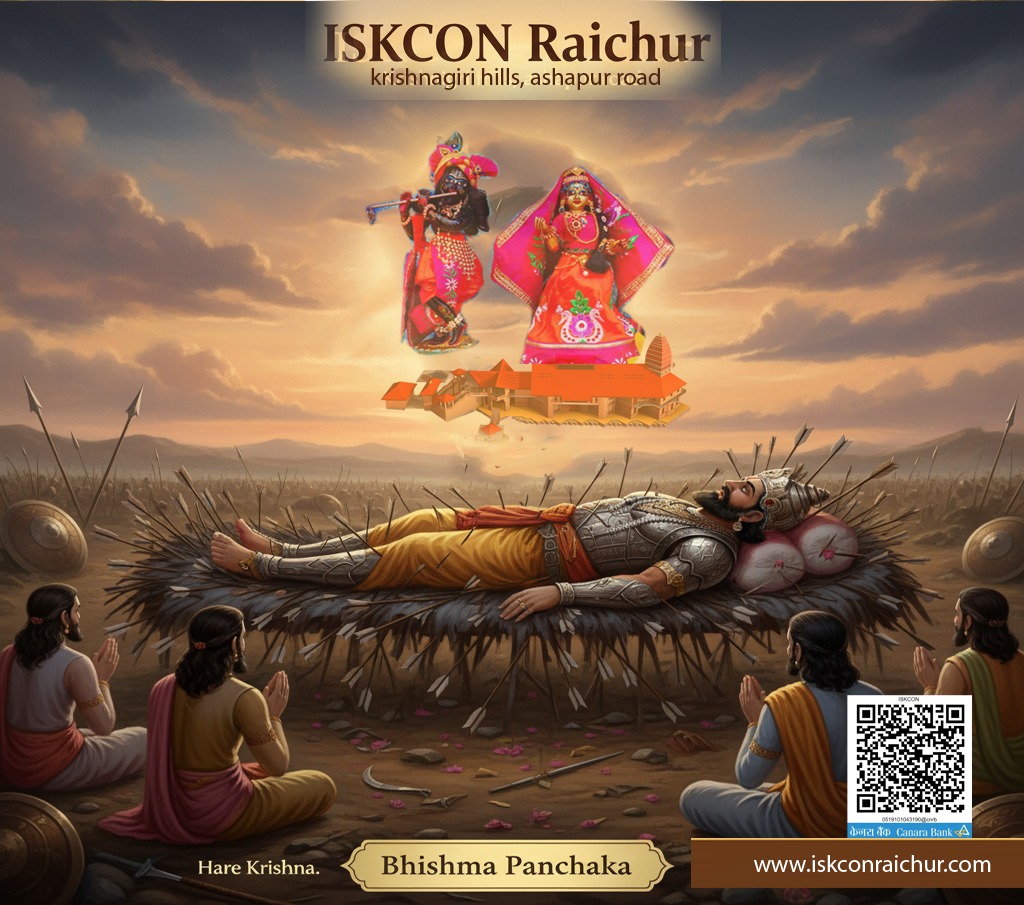
Honoring Grandfather Bhīṣma and Concluding the Holy Month of Kārtika Bhīṣma Pañcaka marks the final five days of the sacred month of Kārtika, a period cherished by devotees for intense bhakti, prayer, and purification. These five days—Ekādaśī to Paurṇimā (the full moon)—are dedicated to Śrī Bhīṣmadeva, one of the twelve Mahājanas (great authorities in devotional …

🌺 Bhīṣma Pañcaka Read More »

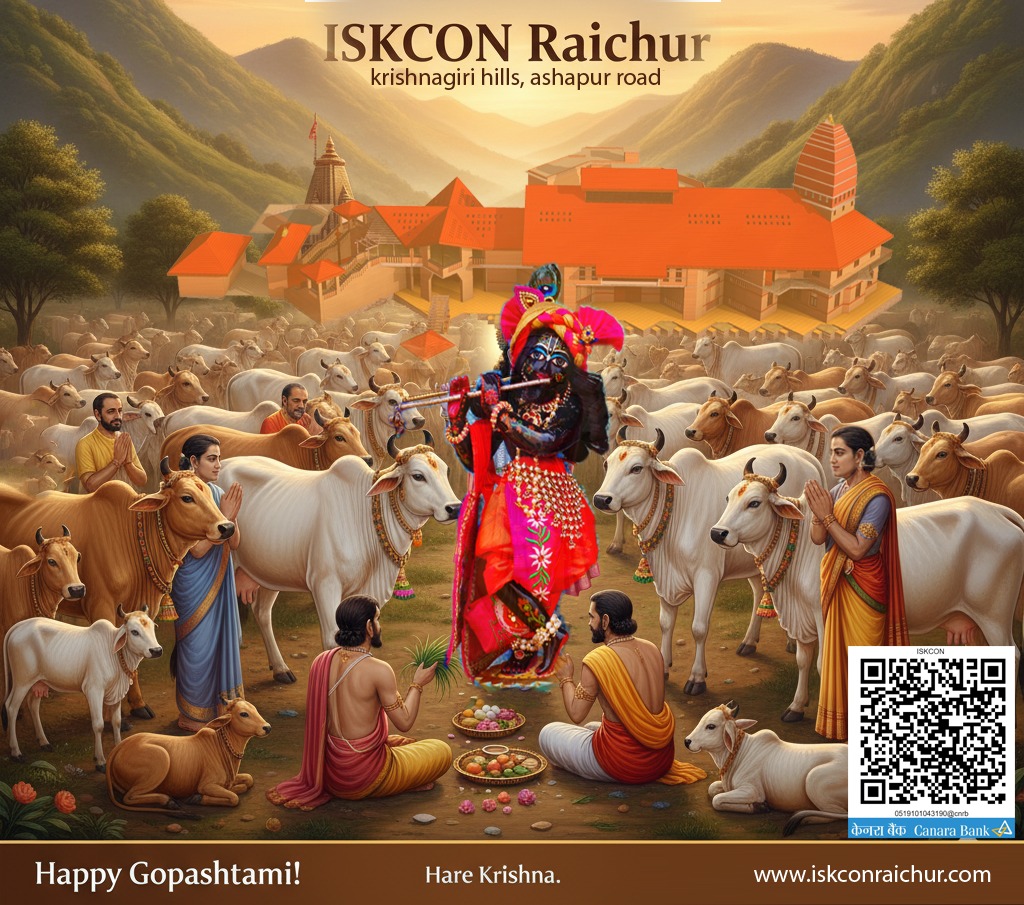
🌿Gopashtami – The Sacred Festival of Cow Worship and Go-Seva

Celebrating Lord Krishna as Gopala, the Protector of Cows Gopashtami is one of the most cherished festivals in the Vaishnava calendar. Celebrated on the eighth day (Ashtami) of the bright fortnight (Shukla Paksha) in the holy month of Kartik (October–November), this day glorifies Lord Krishna as Gopala, the divine protector of cows. On this day, …

🌿Gopashtami – The Sacred Festival of Cow Worship and Go-Seva Read More »

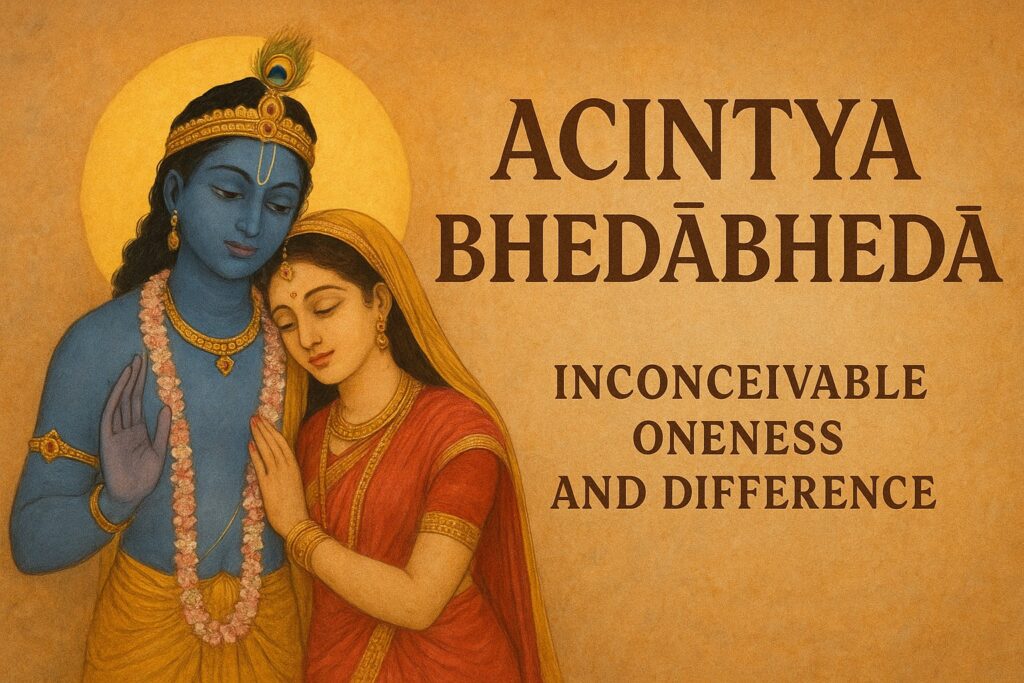
🌿 Bhedābheda Tattva – Oneness and Difference in Harmony

Introduction In the search for truth, one question arises again and again: “Are we one with God, or different from Him?” Some say we are absolutely one with God (Advaita).Others say we are eternally different (Dvaita).But the Vedas give statements that support both oneness and difference. How do we reconcile this?The answer lies in the …

🌿 Bhedābheda Tattva – Oneness and Difference in Harmony Read More »

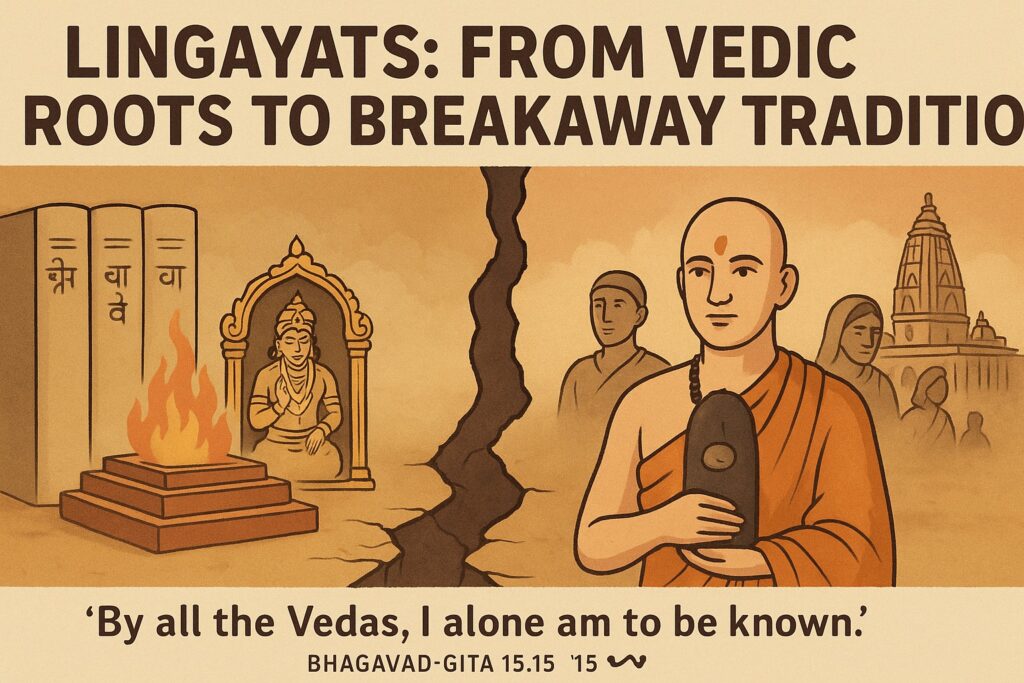
Lingayats & Veerashaivas

Lingayats, Veerashaivas Origins, Philosophy, and the Vaiṣṇava Response Introduction India’s spiritual history is rich with movements that sought to express devotion (bhakti) in fresh ways. Among them, the Lingayats emerged in the 11th–12th centuries in Karnataka. Led by Basava (Basavanna) and the vachana saints, the movement emphasized devotion to a personal liṅga, social equality, and …

Lingayats & Veerashaivas Read More »

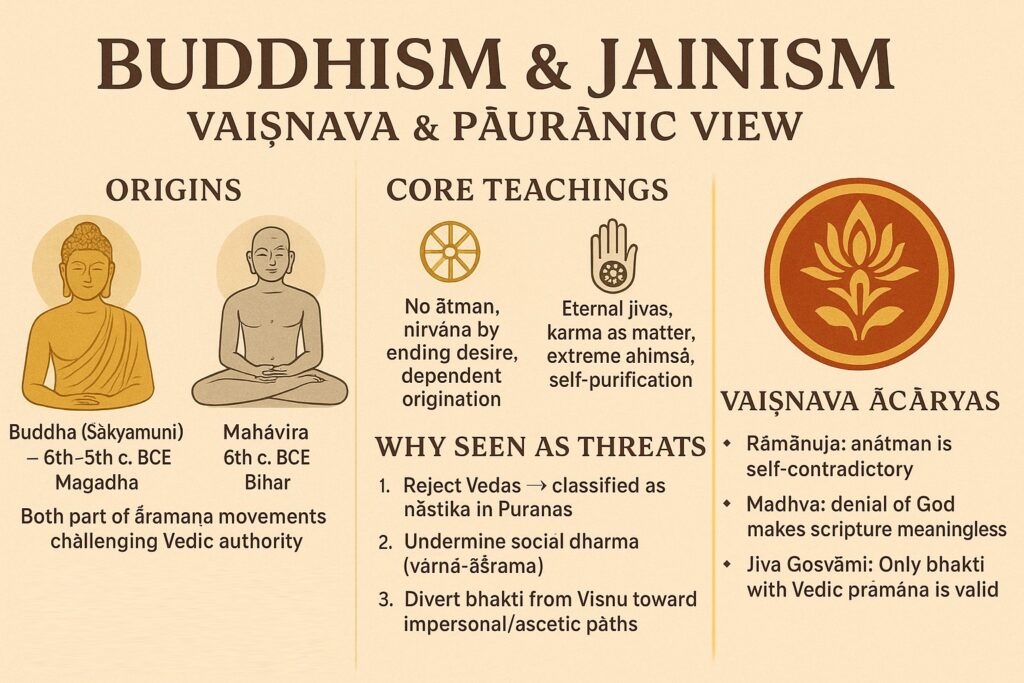
Buddhism and Jainism

– Through the Pāurāṇic & Vaiṣṇava Lens India has always been a land of rich spiritual movements. Alongside the eternal Vedic tradition, other paths like Buddhism and Jainism arose more than 2,500 years ago. They offered their own philosophies of liberation and spread widely. Yet, from the point of view of the Purāṇas and Vaiṣṇava …

Buddhism and Jainism Read More »

Hinduism and Vaishnav

Hinduism: Philosophical Hierarchy and the Supreme Path 1. Introduction Hinduism is not a single religion in the Abrahamic sense, but a vast umbrella of spiritual traditions, philosophies, rituals, and sects. Within it, multiple schools of thought (darśanas) developed over millennia, each explaining reality in its own way. Vaishnavism – the worship of Lord Vishnu and …

Hinduism and Vaishnav Read More »

Gauḍīya Vaiṣṇavism and ISKCON

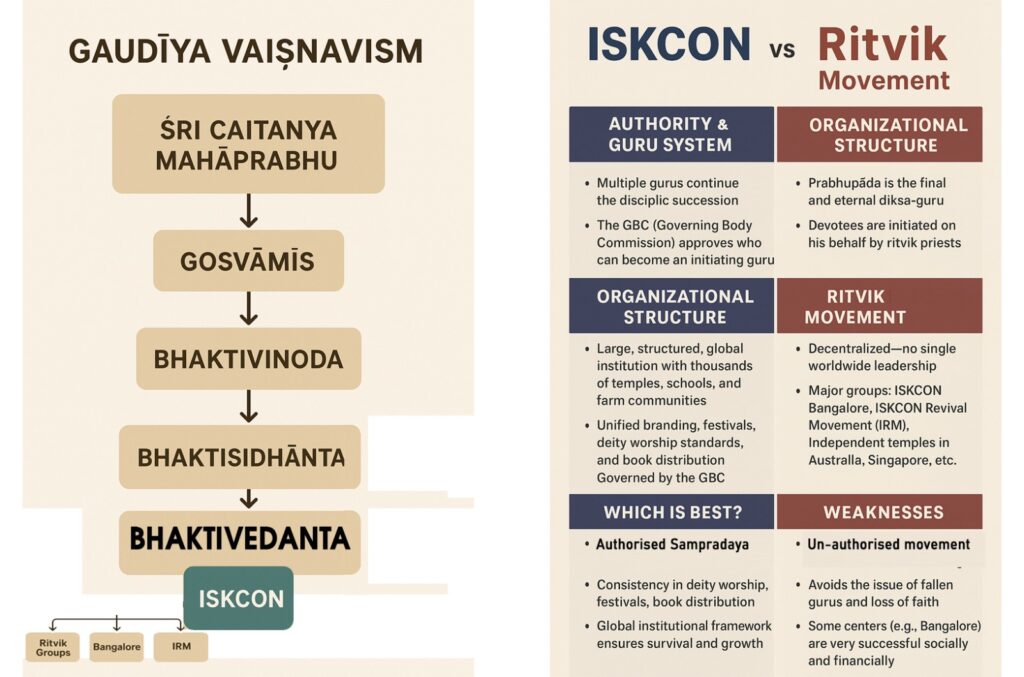
Gauḍīya Vaiṣṇavism and ISKCON 🌍 Tradition, Distinctions, and Contemporary Divisions 1. Origins of Gauḍīya Vaiṣṇavism Gauḍīya Vaiṣṇavism is a bhakti tradition within the broader Vaiṣṇava fold, founded in the 16th century by Śrī Caitanya Mahāprabhu (1486–1534) in Bengal. Its distinctive features include: 2. ISKCON’s Place in Gauḍīya Vaiṣṇavism The International Society for Krishna Consciousness (ISKCON) …

Gauḍīya Vaiṣṇavism and ISKCON Read More »

✝ Christianity in the Light of the Purāṇas

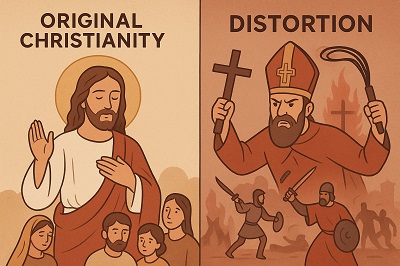
1. Introduction Christianity, founded around the teachings of Jesus of Nazareth (1st century CE), today stands as one of the largest world religions. It claims divine authority through the Bible and presents Jesus as the “only Son of God.” But how does Sanātana Dharma, the eternal Vedic revelation, evaluate Christianity? The Purāṇas classify religions outside …

✝ Christianity in the Light of the Purāṇas Read More »

Pitr Paksha

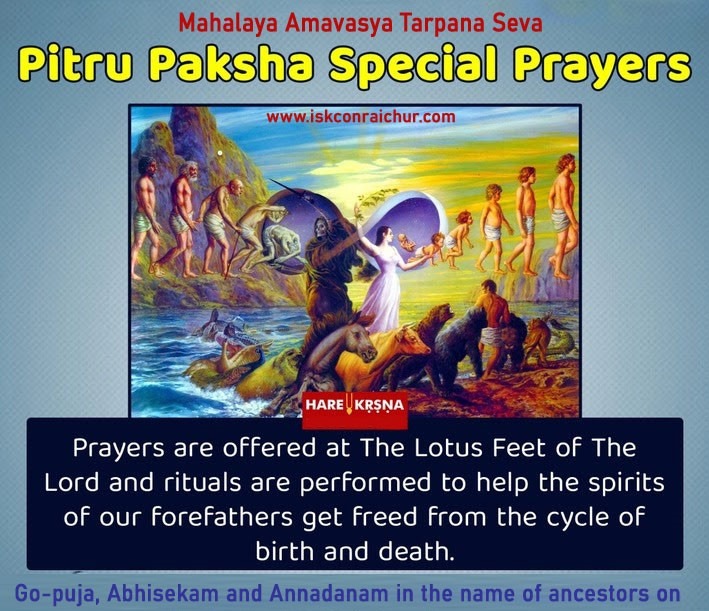
Honoring Our Ancestors What is Pitr̥ Pakṣa? Pitr̥ Pakṣa (literally, “Fortnight of the Ancestors”) is a sacred 15-day period in the Hindu calendar, usually falling in the month of Bhādrapada (September–October). During this time, devotees express gratitude to their departed forefathers (pitṛs) through rituals, prayers, and charitable acts. It is seen as a bridge between …

Pitr Paksha Read More »

error: Content is protected !!